
Clay nails 2027 are the quiet answer to a spring manicure that feels warm without shouting. If bright pastels feel too sweet and deep autumn browns feel too heavy for the season, clay sits right in the middle: earthy, soft, and grown-up, with just enough warmth to flatter bare skin and light layers. This palette pulls from pottery, sun-baked earth, and soft sandstone rather than from neon or glitter, so every shade here works for everyday wear, the office, and weekends alike. Below you will find six shades, each with its hex code, undertone, finish, and honest notes on who it suits best, plus how to wear the palette as a whole.
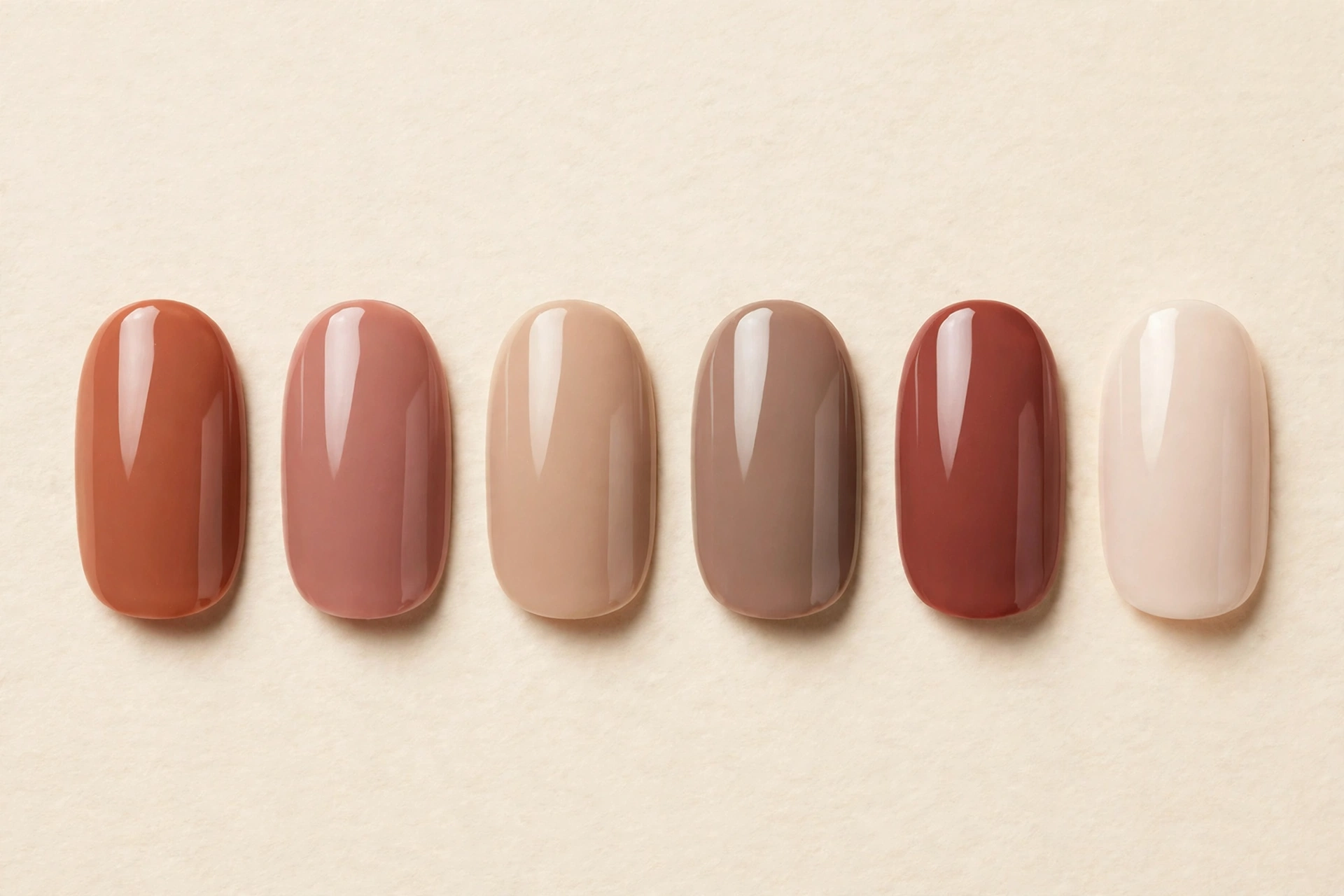
How to Use This Clay Nails 2027 Palette
- Start with one shade for all ten nails if you want the cleanest, most polished result. Clay shades are forgiving, so a single colour rarely looks flat.
- Try a tonal gradient across your nails, moving from the palest shade on your thumb to the deepest on your pinky, or the reverse. This works beautifully because all six shades share the same warm, muted base.
- Use the deepest shade as an accent on your ring fingers and keep the rest pale. It gives the manicure a focal point without turning it into nail art.
- Pair clay with a matte top coat for a pottery-like, velvety finish, or a high-gloss top coat when you want the shades to look richer and deeper.
- Keep your base coat thin and your colour coats in two even layers. Clay shades are mid-toned, so streaks show more easily than they do with very dark colours, and a careful second coat makes all the difference.
- If you are choosing between two shades, hold both against your skin in daylight, not under shop lighting. Warm indoor light can make clay shades look more orange than they really are.
Clay Nails 2027: The 6 Shades
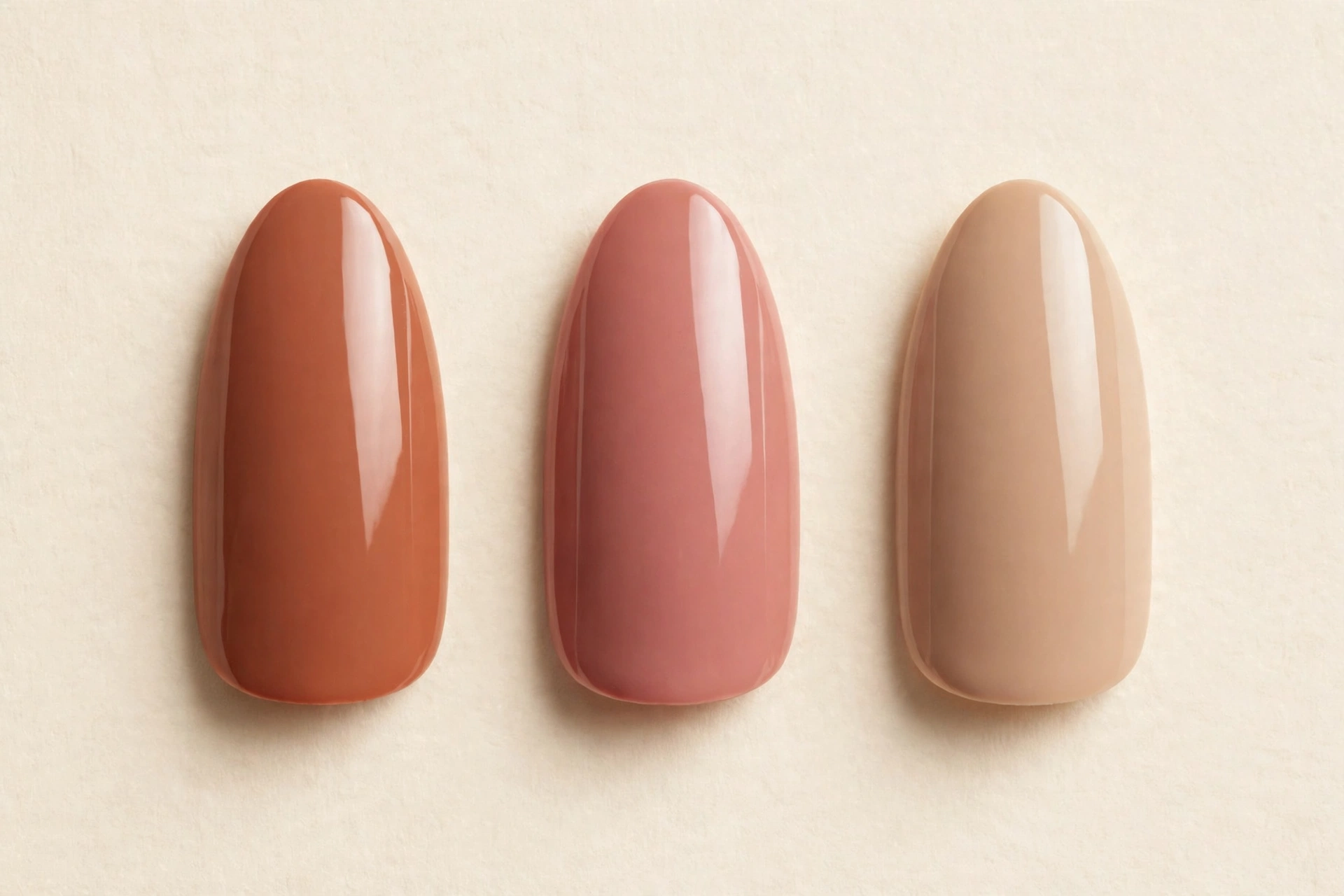
1. Fired Clay — #B9715A
Fired Clay is the anchor of this palette: a soft, grown-up terracotta that reads warm and earthy without the fiery orange edge that some terracotta polishes carry. Its undertone is warm and slightly muted, which is exactly what keeps it wearable day after day. In the bottle it can look deeper than it does on the nail, where two coats settle into a balanced mid-tone that flatters most skin tones without competing with your outfit.
On fair skin, Fired Clay gives a gentle contrast that warms up the hands without looking harsh, especially in spring when skin is often at its palest after winter. On medium and olive skin, it blends beautifully and reads as a natural extension of warm undertones, making it one of the easiest shades in this palette to wear with no thought at all. On deep skin, it pops softly rather than dramatically, giving a refined, tonal look that works particularly well with gold jewellery and cream or camel clothing.
The finish to choose here is a classic cream. A cream finish keeps the colour clean and lets the warmth do the work, while a shimmer version would push it toward autumn. For occasions, Fired Clay covers almost everything: work meetings, brunch, a spring wedding guest look, and everyday errands. It is also a strong choice if you are new to earthy nails and want one shade to test the trend before committing to the whole palette. Compared with a brighter terracotta, Fired Clay is softer and more muted, which is why it suits spring so well — it carries the earthiness without the heaviness. For longevity, a good base coat and a top coat reapplied every two to three days will keep it chip-free for a full week on most nails, and because the colour is mid-toned, small chips are far less noticeable than they are with very pale or very dark shades.
2. Clay Rose — #C48A7A
Clay Rose is where clay meets a dusty rose, and the result is the most romantic shade in this palette. Its undertone is warm with a soft pink pull, so it reads as a muted rose rather than a true pink, and that muting is what makes it feel grown-up instead of sugary. Think of dried rose petals mixed with a little pottery clay: gentle, warm, and quietly pretty.
Fair skin tones get a lovely soft flush from Clay Rose, and it is especially flattering if your skin has neutral or warm undertones. It does not wash out pale hands the way a very light nude can, because it has enough pigment to hold its own. Medium skin tones will find it reads as a soft, natural pink-brown, almost like a “your nails but better” shade with more warmth. On deep skin, Clay Rose becomes a delicate tonal nude-pink that looks polished and understated, and it pairs beautifully with rose-gold jewellery.
The best finish for Clay Rose is a soft cream, though a sheer second version layered over a nude base can give a lovely jelly effect for anyone who prefers a lighter look. Wear it for dates, spring lunches, and any occasion where you want your nails to look pretty without drawing attention away from everything else. It is also an excellent bridesmaid-adjacent shade: soft enough for a wedding party, warm enough to photograph well. Compared with a classic dusty rose, Clay Rose has more brown in it, which keeps it grounded and stops it reading as bubblegum in bright spring light. For wear, this is a shade that benefits from cuticle oil daily, because its softness shows dry cuticles more than a darker shade would; keep the edges moisturised and it will look freshly done for days longer.
3. Sandstone Clay — #C9A98C
Sandstone Clay is the lightest warm neutral in this palette, a sandy beige with a gentle clay warmth that stops it from looking grey or cold. Its undertone is warm-neutral, leaning slightly golden, which makes it one of the most versatile shades here. It is the shade to reach for when you want nails that look groomed and elegant without an obvious colour statement.
On fair skin, Sandstone Clay reads as a warm nude that lengthens the look of the fingers, especially on shorter nails where a pale shade can make the nail bed look longer. On medium skin, it becomes a soft tonal beige that works as a perfect everyday neutral, pairing with everything from denim to linen. On olive skin, its golden warmth complements green undertones without clashing, which is not always true of cooler beiges. On deep skin, it offers a soft contrast that looks intentional and chic, particularly with a glossy finish that catches the light.
A cream finish is the natural choice, but Sandstone Clay also takes a matte top coat exceptionally well, giving a suede-like, stone effect that suits the name. It is ideal for the office, for job interviews, for minimal outfits, and for anyone who wants a manicure that never fights with their clothes. If you love the idea of a neutral but find stark white-beiges too cold, this is your shade: the clay warmth is the difference. For longevity, pale shades show tip wear first, so cap the free edge with your top coat and carry a small bottle for a quick touch-up mid-week. That one habit can stretch a Sandstone Clay manicure from five days to a full week.
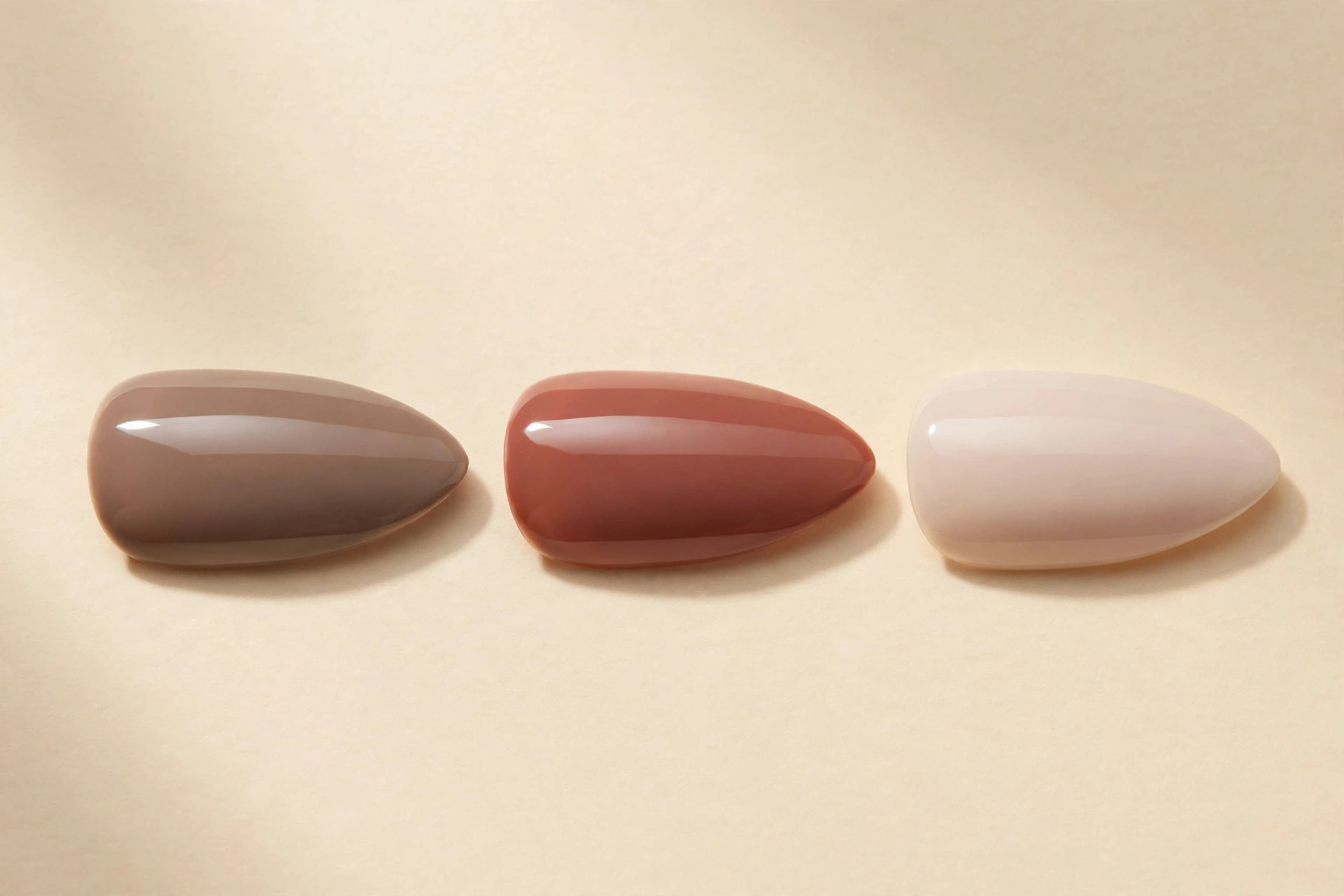
4. Warm Taupe Clay — #A98A76
Warm Taupe Clay is the most neutral shade in the palette, a grey-brown warmed through with clay so it never looks muddy or cold. Its undertone is warm taupe, sitting between brown and grey, which is why it works across so many skin tones and outfits. Where some taupes can look dull, this one has enough warmth to keep the hands looking alive.
Fair skin tones will see Warm Taupe Clay as a sophisticated neutral that adds definition without darkness, a good step up from a sheer nude when you want a bit more presence. Medium and olive skin tones get a beautifully balanced tone that neither pulls too grey nor too orange, making it a safe choice for important occasions. Deep skin tones will find it reads as a soft, elegant brown-grey that looks refined with both silver and gold jewellery, a rare flexibility that makes it a true wardrobe staple.
The finish here matters: a cream finish keeps it modern and clean, while a satin finish softens it further for a quiet-luxury feel. Wear Warm Taupe Clay anywhere you would wear a classic neutral — work, travel, formal events — and know it will not clash with a single item in your bag. It is also the best shade in this palette for mixing: try it with Fired Clay as an accent, or with Sandstone Clay for a tonal gradient that looks far more considered than the effort it takes. Compared with cooler taupes, this warm version is far more forgiving on warm and olive skin, and it photographs warmer and richer in natural light. For wear time, taupe shades are among the most forgiving for chips, since their mid-tone blends with the natural nail, so this is a good pick for a busy week when you cannot promise a mid-week touch-up.
5. Dusty Brick Clay — #A65E4D
Dusty Brick Clay is the deepest shade in this palette, a muted brick red-brown that brings depth without going full burgundy. Its undertone is warm with a red pull, softened by a dusty, matte-leaning quality that keeps it from looking bright or harsh. This is the shade for anyone who loves red nails but wants something quieter and more earthy for spring.
On fair skin, Dusty Brick Clay gives a striking but still soft contrast, and it is one of those shades that makes hands look instantly polished, even with a simple outfit. On medium skin, it reads as a rich, warm brick that complements gold jewellery and earth-toned clothing beautifully. On olive skin, its warmth balances green undertones and looks especially good in spring sunlight. On deep skin, it becomes a deep, glowing tone-on-tone shade that looks luxurious with a glossy finish and minimal jewellery.
A cream finish is classic here, but a glossy top coat really brings out the brick depth, while a matte top coat turns it into a velvety, almost suede-like colour that suits evening wear. Dusty Brick Clay is the palette’s occasion shade: dinners, date nights, spring parties, and any event where you want your nails to feel a little more dressed up. It also works as a pedicure shade, where its depth looks elegant with sandals. Compared with a true brick red, this version is dustier and browner, which is what keeps it in the clay family rather than the red family. For longevity, deeper shades like this one tend to wear very well, and any tip wear can be hidden with a fresh layer of top coat rather than a full repaint.
6. Pale Clay Cream — #E8D5C4
Pale Clay Cream is the softest shade in the palette, a creamy off-white warmed with the faintest touch of clay. Its undertone is warm and milky, which separates it from stark whites and cool creams that can look harsh in spring light. This is the shade for a clean, fresh manicure that still feels warm and inviting.
Fair skin tones will find Pale Clay Cream gives a bright, clean look without the starkness of pure white, and it is flattering on both short and long nails. Medium skin tones get a soft, milky contrast that looks fresh and modern, especially with a high-gloss finish. Olive skin tones benefit from its warmth, which avoids the grey cast that cooler creams can leave. Deep skin tones will see it as a lovely pale accent shade, beautiful on its own for a fresh look or as a base for a tonal design with one of the deeper clay shades.
The finish to choose is high-gloss cream, which keeps it looking like fresh cream rather than chalk. Pale Clay Cream is perfect for spring weddings, fresh-start manicures, and anyone who wants a light shade that does not feel like a winter white. It also makes an excellent base shade if you like to add a single accent nail in Fired Clay or Dusty Brick Clay. For a softer take on this kind of pale shade, you might also like the gentle whites in our milky nails guide, which explore sheer and soft-white finishes in more depth. For wear, pale shades need a little more care: use a ridge-filling base coat for an even canvas, apply two thin coats rather than one thick one, and reapply top coat every couple of days to prevent yellowing and tip wear.
Styling Clay Nails for Spring
Clay nails pair naturally with the textures and colours of spring: linen, cotton, denim, cream knitwear, and soft leather. The palette works with gold jewellery more easily than with silver, because the warm undertones echo gold, but Warm Taupe Clay is the exception that sits happily with either metal. For clothing colours, clay shades love cream, camel, sage green, soft white, dusty blue, and warm brown; they also ground brighter spring prints, so if you wear florals, a clay manicure will calm the outfit rather than compete with it.
For a minimal look, wear one shade on all nails with a glossy top coat and keep jewellery simple. For a more styled look, try a tonal gradient or a single accent nail in a deeper shade. If you like nail art, keep it restrained: a thin gold line, a single dot, or a half-moon in a paler clay shade will look intentional without breaking the earthy mood. Clay shades also suit shorter, rounded nails beautifully, because the muted tones make the shape look neat and considered, but they look equally good on almond and oval shapes where the warmth can show across a longer nail bed.
Best Occasions for Clay Nails
Clay nails are not a one-occasion trend. They work for the office because they are muted and professional, for weekends because they are warm and relaxed, and for spring events because they feel seasonal without being themed. They are a strong choice for wedding guests who want to look polished without wearing a bright or glittery shade, and for brides who prefer an earthy, natural manicure over a classic French. They also travel well: a clay manicure looks just as good on day five of a trip as it did on day one, especially in the mid-tones, and it pairs with whatever you packed. If you are deciding between clay and a bolder earth tone for autumn, the deeper, richer shades in our terracotta nails guide show how the same family shifts when the season turns cooler and darker.
Application Tips for a Smooth Clay Manicure
Preparation matters more with muted shades than with very dark ones, because uneven texture shows through. Start by gently pushing back cuticles and shaping your nails, then buff lightly to create a smooth surface without thinning the nail. Apply a base coat and let it dry fully before colour; rushing this step is the most common cause of peeling with cream finishes.
Apply colour in two thin coats, not one thick coat. The first coat can look streaky, and that is normal; the second coat evens it out and builds the true colour. Wait a couple of minutes between coats, and cap the free edge of each nail with colour and then with top coat to seal against chips. Finish with a top coat while the second colour coat is still slightly tacky if your top coat allows it, or once it is touch-dry, depending on the formula you use. Finally, apply cuticle oil once the manicure is fully dry, and reapply it daily. Well-moisturised cuticles make a muted manicure look freshly done for much longer, and they protect the skin around the nail from spring dryness.
For gel wearers, the same shades translate beautifully into gel, with the added benefit of two to three weeks of wear. Choose a gel base that suits your nail type, cure each layer fully, and remember that removal should always be gentle: soak off rather than peeling, because peeling damages the nail surface and makes the next manicure look uneven. If you prefer regular polish but want gel-like longevity, a long-wear top coat and a mid-week top-coat refresh will get you most of the way there without the commitment of gel.
Polish and Gel Picks
For Fired Clay, look for a warm muted terracotta cream polish or a matching gel in a terracotta family shade; a standard cream formula will give the truest colour. For Clay Rose, choose a dusty rose-brown cream polish, or a gel version of a muted rose, and avoid anything labelled bright pink, which will pull the shade away from clay. For Sandstone Clay, pick a warm sandy beige cream polish or a gel in a sandstone beige tone, applied over a ridge-filling base for the smoothest result. For Warm Taupe Clay, look for a warm taupe cream polish or gel, and check the swatch in daylight to confirm it leans warm rather than grey. For Dusty Brick Clay, choose a muted brick cream polish or gel, with a glossy top coat if you want the depth to show. For Pale Clay Cream, pick a warm milky cream polish or gel, and pair it with a non-yellowing top coat to keep the warmth clean. Across all six shades, a quality base coat, a glossy or matte top coat depending on your preferred finish, and daily cuticle oil will do more for the final look than any single polish brand.
Clay Nails vs Terracotta Nails: What Is the Difference?
This is the question most readers ask, and the answer is about softness. Terracotta nails lean bolder, oranger, and more saturated, with a fired-pottery intensity that suits autumn and statement looks. Clay nails 2027 are softer, more muted, and more grown-up: the same earthy family, but with the saturation turned down and the brown and beige notes turned up. If terracotta is a sun-baked pot in strong light, clay is that same pot in soft morning light. That softness is why clay works so well for spring, for work, and for everyday wear, while terracotta often feels like a seasonal statement. If you already love terracotta, clay is an easy next step, not a replacement; keep your deeper terracotta shades for autumn and let these softer clay tones carry spring and early summer. Readers who want the bolder side of the family can compare directly with our terracotta nails palette, which is intentionally distinct from this softer clay collection.
That distinction also matters for skin tones. Bolder terracotta can overwhelm very fair skin or clash with cool undertones, while softer clay shades are more forgiving across the board. The muted quality means the colour sits with your skin rather than on top of it, which is why so many people who thought earth tones were not for them find clay surprisingly wearable. If you are still unsure, start with Sandstone Clay or Warm Taupe Clay, the two most neutral shades here, and move toward Fired Clay or Dusty Brick Clay once you are comfortable with the warmth.
How Long Do Clay Nails Last?
With regular polish, expect five to seven days of good wear for the mid-tones, and slightly less for the palest shade unless you refresh your top coat. Gel versions will last two to three weeks with proper application and gentle removal. Longevity depends less on the shade itself and more on preparation, top-coat habits, and how hard your hands work during the week. People who wash dishes without gloves, garden bare-handed, or type heavily will see tip wear sooner, whatever the shade. A mid-week top-coat layer, cuticle oil daily, and gloves for cleaning and gardening are the three habits that make the biggest difference, and they cost almost nothing.
Frequently Asked Questions
Are clay nails 2027 good for spring?
Yes. Clay nails 2027 are well suited to spring because they are warm without being heavy. They pair with light layers, linen, and soft spring colours, and their muted quality keeps them wearable for work and weekends alike. Unlike very dark autumn shades, they do not look out of place in bright daylight, and unlike bright pastels, they do not feel too sweet for a grown-up wardrobe.
What skin tones suit clay nail polish?
Clay polish suits most skin tones because the shades are muted rather than saturated. Fair skin benefits from the gentle warmth of Fired Clay and Clay Rose, medium and olive skin tones wear the whole palette easily, and deep skin tones get a refined tonal look from the mid and deep shades, with Pale Clay Cream as a fresh accent. If you are unsure, start with a neutral shade like Warm Taupe Clay and adjust from there.
Is clay the same as terracotta for nails?
No, although they belong to the same earthy family. Terracotta is bolder, oranger, and more saturated, while clay is softer, more muted, and more brown- and beige-based. Clay is the grown-up, everyday version of the trend, and it works across more seasons and occasions because it does not demand attention the way a bold terracotta can.
How do I make clay nails last longer?
Start with proper preparation, including a base coat and a smooth nail surface, apply two thin colour coats, and seal the free edge with top coat. Reapply top coat every two to three days, use cuticle oil daily, and wear gloves for cleaning and gardening. For the longest wear, choose a gel version of your favourite clay shade, and always soak off gel gently rather than peeling it away.
A Note on This Palette
This is an inspiration palette: the six shades above are colour ideas with representative hex codes to help you find a matching polish, not a single branded collection. Exact polish colours vary by brand and finish, so compare swatches in daylight before buying.
For a softer neutral wardrobe to pair with these earthy tones, the gentle shades in our cashmere nails guide sit beautifully alongside clay, giving you a full rotation of muted, wearable neutrals for spring.